
RevGrowth Blog
The Rhythm of Buyer Readiness
Posted on 27 November 2025
It’s not exactly random. The approach we use is more about timing your outreach to when the market is listening. At RevGrowth, we don’t measure success by dials made or chats opened. We measure it by relationships built and the quality of conversations that lead to real business outcomes. To understand that rhythm better, we looked across a year’s worth of meeting data from our clients. The results tell a clear story.
When Buyers Lean In
When we mapped total meetings across every client, three months consistently stood out; February, July, and November. Those are the periods where engagement peaks, booking rates climb, and prospects are most willing to have meaningful conversations.
That timing makes sense:
February brings new budgets, new targets, and optimism as buyers explore fresh partnerships.
July is the midyear reset, when leadership teams re-evaluate their strategies and vendor relationships. November brings urgency, the last push before the holidays and fiscal year-end.
In contrast, May, August, and September tend to slow down. Not because markets shrink, but because people are recalibrating and taking a breath between growth cycles. The companies that keep nurturing during these quieter months aren’t losing time; they’re earning attention for when the next wave hits.
Every client’s rhythm is unique, but the pattern is similar.
When we plotted total meetings by client, the data told another story. Consistency beats chaos.
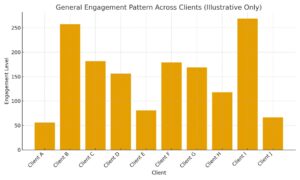
Figure 1: Total Meetings by Client.
A handful of clients booked exceptionally high volumes, but most maintained a balanced, steady cadence of meetings throughout the year. That steady rhythm, not the spikes, produced the most reliable results. With recent improvements to our workflow, these numbers may have been slightly different, but the basic philosophy remains.
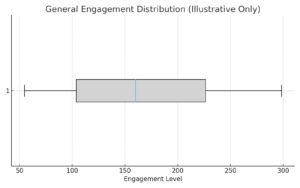
Figure 2: Distribution of Total Meetings Across Clients.
Sinmilar to figure one this chart shows the spread of total meetings across our client base from a different perspective. Again, while a few clients booked significantly higher volumes, most maintained a consistent rhythm of meaningful engagement. The takeaway isn’t about size or input, but about stability. The businesses that sustained steady, well-timed outreach saw the healthiest outcomes.
What This Means for Clients
The data proves that buyer engagement isn’t about constant motion for motions sake; it’s about momentum.
Clients who stay active through the natural rhythm of the market, pushing when the timing’s right and nurturing when it’s quiet, see stronger results over time.
There’s a clear opportunity here:
Plan outbound and marketing pushes around engagement peaks (February, July, November).
Use quieter periods for relationship nurturing, brand reinforcement, storytelling, and personal outreach.
Think in cycles, not sprints. Growth is compounding, not explosive.
Looking Forward.
If there’s one thing this data teaches, it’s that successful outreach is about doing it when it matters most. Our quality focussed approach reflects on this. Markets move in rhythms. Prospects make decisions in seasons. The teams that learn to move with that flow, are the ones who win.
At RevGrowth, we don’t just book meetings. We build timing strategies that put our clients in front of the right people, at the right moment, with the right message.
Because readiness isn’t luck, it’s rhythm.